
Unlock Higher Email Marketing ROI With These Proven Tactics
Email is still a powerful channel, and here are a few ways you can increase your ROI

Written by Stephen Hoops
Key Takeaways
- Email delivers strong ROI because it compounds over time, not because brands send more messages.
- The highest-performing programs focused on systems and journeys, not one-off campaigns.
- Automation became core infrastructure, especially for retention, education, and lifecycle support.
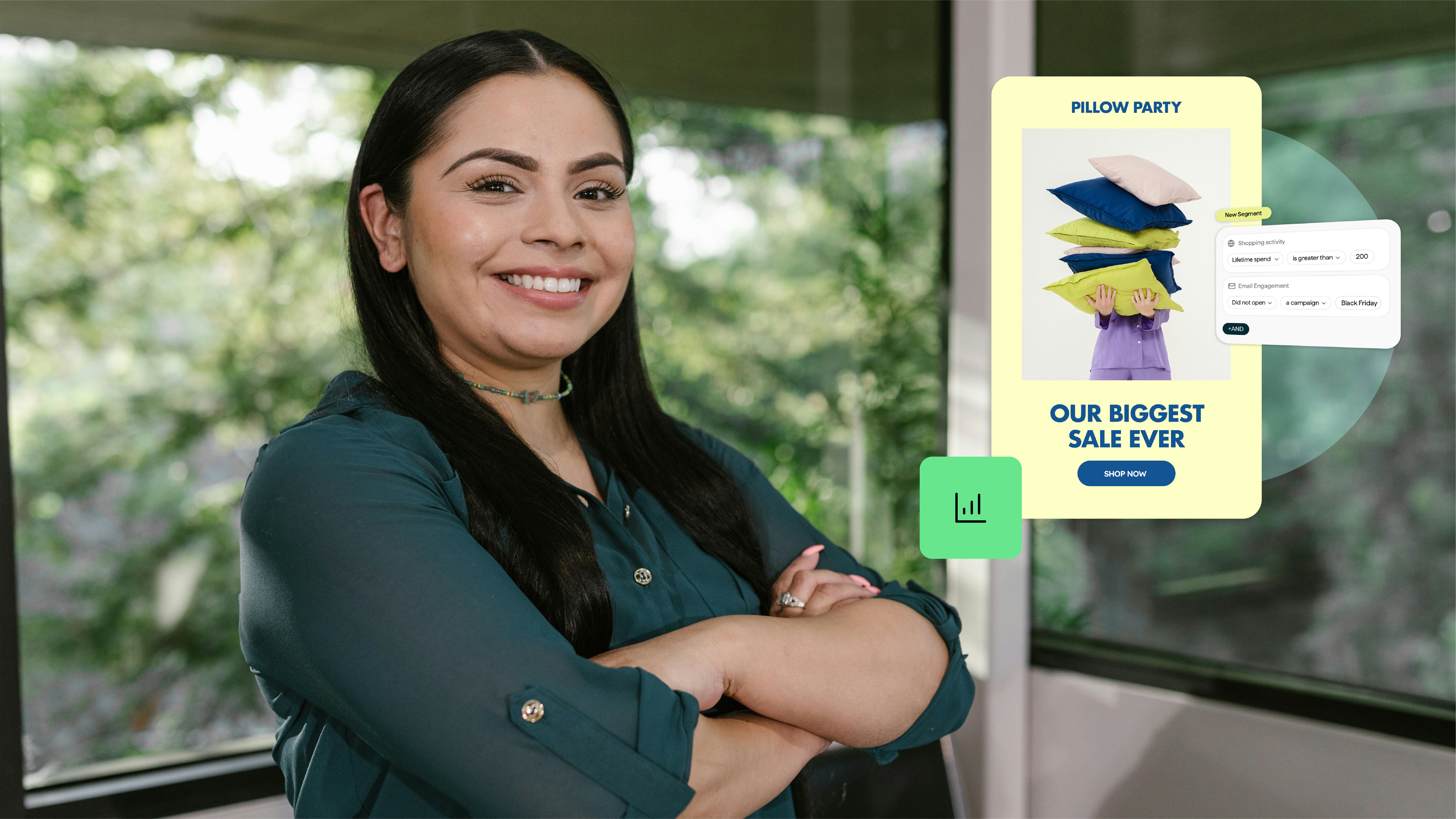
- Smarter segmentation reduced fatigue and increased long-term value without increasing send volume.
- Simple, human emails often outperformed heavily designed promotions.
- Email performs best when it works alongside SMS and onsite messaging as part of an owned-channel system.
As ecommerce heads into 2026, most merchants are facing the same reality: growth feels harder than it used to.
Ad costs are still high. Platforms are more unpredictable. Customer attention is fragmented across channels that didn’t even exist a few years ago. And while acquisition will always matter, it’s no longer enough to carry a business on its own.
What did work in 2025, though, is starting to look very clear. The brands that stayed profitable weren’t chasing every new tactic. They were investing in systems that compounded. Email marketing sat right at the center of those systems.
Not because email is new or exciting, but because it’s controllable. It’s owned. And when it’s done well, it scales without scaling costs at the same rate.
As we look ahead, the question isn’t whether email still delivers ROI. It’s how merchants should evolve their email strategy to keep that ROI strong in 2026.
What 2025 Made Obvious About Email ROI
One of the biggest takeaways from 2025 was that “more” stopped working. More emails, more campaigns, more discounts, more pressure. Customers tuned it out.
What did work was relevance.
Brands that leaned into customer behavior, timing, and lifecycle saw better returns without increasing send volume. Email strategies built around retention, not just conversion, consistently outperformed those focused on short-term wins.
Another thing became clear: email can’t operate in isolation anymore. The highest ROI came from email programs that worked in sync with onsite experiences, SMS, and post-purchase education. Email wasn’t just a sales channel. It became the connective tissue across the customer journey.
In 2026, Email ROI Starts With Systems, Not Campaigns
Going into 2026, merchants who still rely primarily on campaigns will feel more pressure, not less. Campaigns spike revenue, but they don’t stabilize it.
Systems do.
That shift starts with automation, but not the “set it once and forget it” kind. The brands seeing the strongest ROI are treating their automations as living assets. They review them. They update them. They evolve them based on what customers actually do.
Suggested: Check out Privy's free ROI Calculator
Beyond welcome and abandoned cart flows, high-performing brands are investing in replenishment reminders, educational nurture sequences, and lifecycle messaging that support customers long after checkout. These flows don’t just drive revenue. They reduce churn, improve customer satisfaction, and increase lifetime value.
In 2026, automations aren’t background noise. They’re core infrastructure.
Smarter Segmentation Is Doing the Heavy Lifting
If 2025 taught merchants anything, it’s that blasting your full list is expensive in ways that don’t always show up on a revenue report.
Unsubscribes, disengagement, and inbox fatigue all chip away at long-term ROI.
Segmentation is where that trend reverses.
The segments driving the most value going into 2026 are practical ones. Recently engaged subscribers who are already paying attention. Past buyers who haven’t returned yet but are cheaper to re-engage than new prospects. High-value customers who expect more than generic messaging. Shoppers who showed interest but didn’t convert just need the right follow-up.
Zero-party data is also playing a bigger role. Preferences collected through quizzes, signup questions, or post-purchase surveys give merchants a way to personalize without guessing. When customers feel understood, they stay subscribed. When they stay subscribed, ROI improves naturally.
Campaigns Still Matter, but They Can’t Stand Alone
The strongest brands stopped treating campaigns as isolated moments. Instead, they designed them to feed into automation and be reinforced by it. A product launch campaign didn’t end with the send. It triggered follow-up flows for non-clickers.
Seasonal promotions connected to browse and cart behavior automatically. Loyalty offers were supported by post-purchase thank-yous and reminders.
This integration is where ROI compounds.
When campaigns and automations support each other, every email works harder. You get more out of the same list without sending more messages.
The Return of Simple, Human Emails
As inboxes filled up with highly designed, highly promotional messages, the emails that looked like they came from an actual person started to stand out. These emails weren’t flashy, but they were read.
Customers are increasingly sensitive to tone. They can tell when they’re being marketed to versus spoken to. Brands that lean into a more human voice, especially in lifecycle and retention messaging, are seeing stronger engagement and longer subscriber lifespans.
Design still has its place. But not every email needs it to deliver ROI.
Transactional Emails Are Still Undervalued
Transactional emails quietly remain some of the most opened messages a brand will ever send. Order confirmations, shipping updates, and delivery notifications consistently outperform promotional emails on open rates.
That doesn’t mean turning them into sales blasts. It means using the attention they already have to add value. Helpful product tips. Thoughtful recommendations. Clear next steps. Small, relevant suggestions that feel natural in context.
Because these emails are already being read, even subtle improvements can produce meaningful ROI gains.
Retention Is the Metric That Matters Most
If there’s one throughline for email marketing heading into 2026, it’s retention.
Acquisition will always be part of growth, but it’s becoming less predictable and more expensive. Retention is where merchants regain control.
Email plays a central role here because it supports everything else. Subscription education. Loyalty programs. Replenishment reminders. Post-purchase upsells. Feedback loops through surveys and quizzes. All of these initiatives perform better when email is used thoughtfully to guide and reinforce them.
Email ROI in 2026 won’t come from one clever campaign. It will come from consistency, relevance, and trust built over time.
What Ecommerce Merchants Should Focus On Next
Looking ahead, the merchants who protect and grow email ROI will focus less on volume and more on quality. Fewer sends with better timing. Better segmentation instead of broader reach. Automations that evolve instead of stagnate.
They’ll also invest in owned channels as a system, not a collection of tools. Email working alongside SMS, onsite messaging, and post-purchase experiences to support the customer at every stage.
Email has earned its place as the highest-ROI channel for ecommerce. In 2026, that won’t change. What will change is how intentionally brands use it.
Want to build an email strategy that delivers stronger ROI in 2026 without relying on constant acquisition spend? Do your free trial with Privy and turn email, SMS, and onsite messaging into a system that compounds over time.
Writen by Stephen Hoops

Stephen Hoops is the Content Manager at Privy, where he crafts stories and resources that empower merchants and brands to grow their online stores and connect with customers. With over a decade of experience in digital marketing, Stephen has helped brands turn complex ideas into content people actually want to read. When he’s not geeking out over new marketing trends or the science behind viral content, you’ll probably find him spinning a vinyl record, perfecting his baked ziti, or debating why the bench scraper deserves more respect in the kitchen.
You may also like to read
More articles you should read
Order Confirmation Email
What’s the Difference Between Checkout & Cart Abandonment?
Abandoned cart emails are critical components of any cart recovery strategy. There's a difference between cart abandonment and checkout abandonment.
3 Abandoned Cart Recovery Strategies Every Online Store Can Use
This guide will show you three abandoned cart recovery strategies using popups, email, and SMS to start chipping away at your cart abandonment rate.